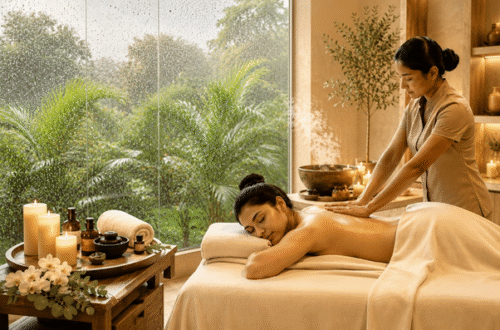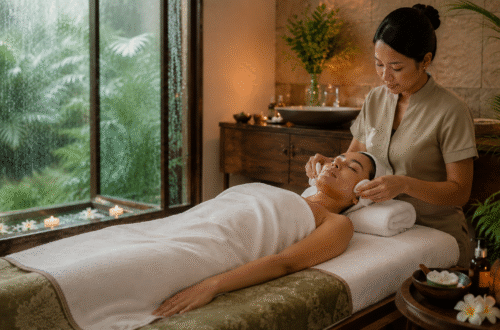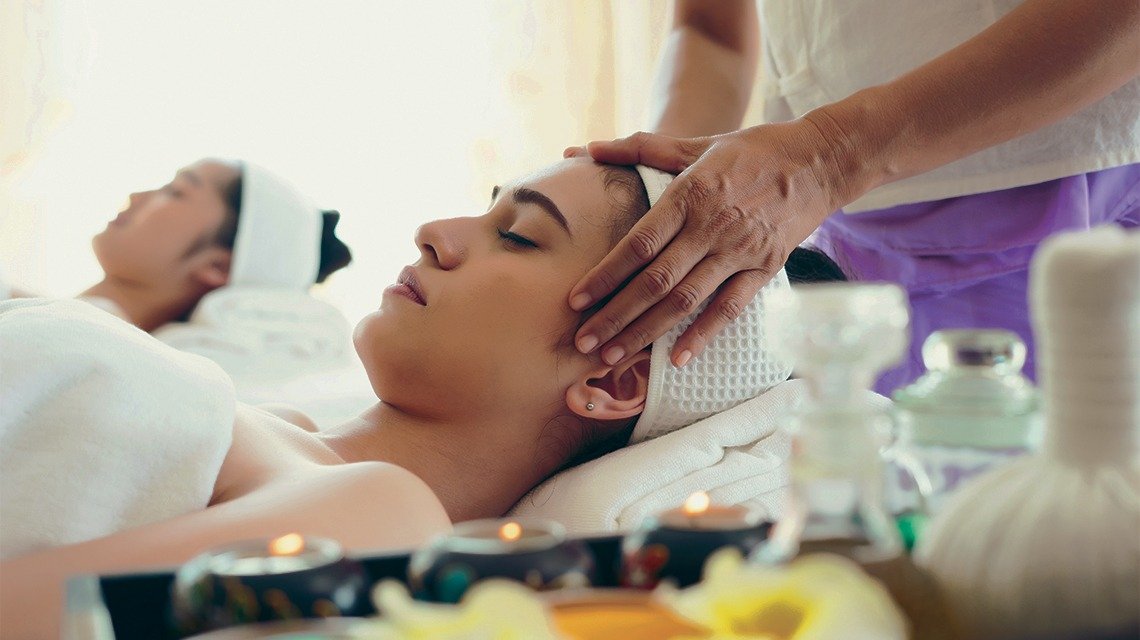
When we think of a spa, we often picture a serene environment where time slows down, and the world outside feels a million miles away. That sense of calm is not accidental; it reflects the role spa therapies play in helping the mind and body reset. At Ode Spa, spa treatments are not mere indulgences; they are wellness therapies that support physical, emotional, and mental well-being. Whether you’re seeking relief from stress, a chance to rejuvenate after a demanding week, or a way to simply unwind, they offer more than just a momentary escape. Spa treatments are an investment in your overall health.
In this comprehensive guide, we explore the different types of spa treatments, from the calming flow of Swedish massage to the targeted relief of Deep Tissue therapy. This guide will help you understand what each treatment offers, how to choose the one that suits your needs, and why Ode Spa remains a trusted place to experience these time-tested therapies.
What are Spa Therapies?
The word spa traces its origins to the town of Spa in Belgium, famed since Roman times for its natural mineral springs. People used to visit these waters for rest, recovery, and healing. While the medicinal properties of mineral-rich water were central to early spa culture, touch soon became just as important.
Across civilisations, massage emerged as a natural extension of healing. In India, it was embedded within Ayurvedic traditions. In Southeast Asia, therapies such as Balinese massage developed through a blend of Indian and Chinese influences, combining pressure, stretching, and rhythm. In Europe, Swedish massage brought structure and technique to therapeutic touch, focusing on muscle relaxation and mobility.
At Ode Spa, spa therapies centre on massage-based treatments, including Aromatherapy, inspired by these global traditions. They help release tension and calm the nervous system, restoring a sense of physical and emotional ease.
Types of Spa Treatments
Every spa treatment is designed to address different needs and is tailored for different kinds of spa visitors, from first-time visitors to regulars. Understanding the differences helps you choose a treatment that aligns with how your body feels and what it needs at a given moment.
Swedish Massage
If you are new to spa therapies or unsure about how your body will respond, Swedish massage is often a comfortable place to begin. Gentle on the body, featuring long and flowing strokes with light kneading movements, it helps the body relax without feeling overwhelmed. This therapy supports circulation, eases stiffness, and allows the body to slow down gradually, much like taking a deep breath after a long day.
Balinese Massage
Balinese massage appeals to those who enjoy a sense of rhythm and continuity in their treatment. Drawing from multiple healing traditions worldwide, it combines gentle stretches, firm pressure, and flowing movements that work across the body rather than isolating one area at a time. It will not only leave you physically energised and restored, but also create a sense of mental calm.
Deep Tissue Massage
Deep Tissue massage is suited for times when the body feels weighed down by persistent stiffness or fatigue. Although the stroking and kneading movements are quite similar to Swedish massage, the pressure is far more intense. It works on the underlying layers of muscles and connective tissue, relieving tension and undoing muscle knots built over time.
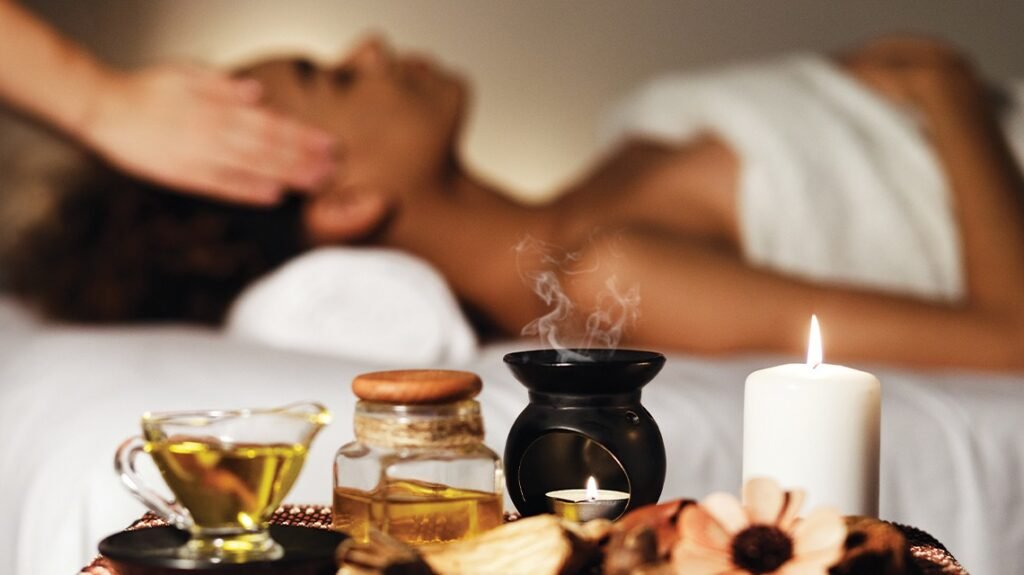
Aromatherapy Massage
Aromatherapy massage focuses on how scent and touch together influence the body’s response to stress. Subtle natural aromas help calm the nervous system while gentle, mindful massage movements ease physical tension. The experience is designed to support mental clarity and emotional balance, making it a preferred choice when relaxation is needed for both the body and the mind.
Foot Reflexology
Based on the idea that specific points on the feet correspond to different parts of the body, foot reflexology relies on applying focused pressure to these areas. It stimulates the nervous system, calms the mind, and can create a sense of release and balance similar to what many people experience during a full-body massage.
Conclusion
Spa therapies have persisted across generations and cultures for a simple reason. When practiced with care and intention, they help the body release the piled-up tension, soothe the mind, and restore a sense of balance that daily routines often disrupt. At Ode Spa, these spa treatments are approached as wellness therapies, aligned with the 8 Dimensions of Wellness framework. Time-tested healing traditions, expert therapists, and a legacy of unwavering trust combine to create experiences that reflect a holistic approach to wellbeing.
Frequently Asked Questions
- What are the different types of spa treatments?
Spa treatments include a wide range of therapies such as massages, facials, body scrubs, and wraps. While each serves a different purpose, massage-based therapies form the foundation of most spa experiences, addressing physical tension, stress, and overall well-being through skilled, intentional touch.
- What are the benefits of spa therapy?
Spa therapy offers benefits that extend beyond relaxation.
- Releases physical tension and reduces stiffness
- Provides relief from joint aches and helps recover from injuries
- Improves blood flow and circulation
- Enhances mental clarity and brings emotional balance
- What is the difference between Swedish and Deep Tissue massage?
The key differences between Swedish and Deep Tissue massage are:
- Pressure: Swedish massage employs lighter, flowing strokes, while Deep Tissue massage applies intense pressure.
- Focus: Swedish massage promotes gentle relaxation. Conversely, Deep Tissue massage targets deeper muscle layers, undoing the knots and overcoming fatigue.
- Best suited for: Swedish massage is ideal for those getting introduced to spa therapies. On the other hand, Deep Tissue is best suited for athletes and those suffering from chronic aches and fatigue.
- Is Deep Tissue Massage painful?
Deep Tissue massage involves slower, more focused pressure, but it should not feel uncomfortably painful. You may experience some intensity, especially in areas where tension has built up over time. Communicating with your therapist during the session helps ensure the pressure feels effective while still remaining comfortable for you.